
Gordon Matta-Clark
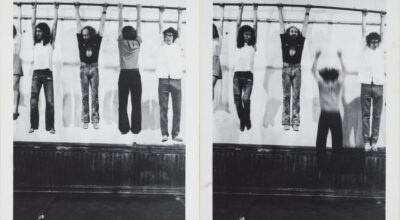
PEQUEÑA ECOLOGÍA: VINCULACIONES DESDE LO EFÍMERO
Josefina Camus y Jennifer McColl, autoras sudamericanas y chilenas, indagan en su conexión con Estados Unidos, especialmente Nueva York. La respuesta se revela con nombres significativos como Carmen Beuchat, Juan Downey y Gordon Matta-Clark, quienes, con fuertes lazos con Chile, dejaron una huella artística y comunitaria en la ciudad durante los setenta.
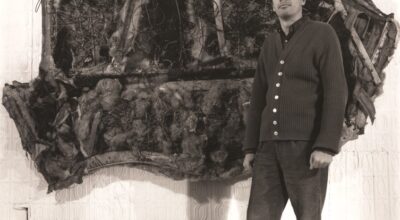
RAPHAEL MONTAÑEZ ORTIZ, PIONERO DEL ARTE DESTRUCTIVO
El Museo del Barrio presenta la mayor exposición desde 1988 dedicada al artista, activista, educador y fundador de El Museo del Barrio, Raphael Montañez Ortiz. Bajo la curaduría de Rodrigo Moura y Julieta González, la retrospectiva aborda los intereses recurrentes de este pionero del Arte Destructivo, como el colonialismo, la destrucción, la autenticación, la magia y el animismo.
UMBRAL. 15° BIENAL DE ARTES MEDIALES DE SANTIAGO
La curaduría se articula en seis programas o ‘umbrales’ que exploran y se acoplan a las complejidades que ha enfrentado la comunidad de las artes para el desarrollo de sus trabajos: Umbral Éter, Umbral Museos, Umbral bosquemuseo, Umbral MIAAU, Umbral Artefactos Postales y Umbrales, ¿cómo anudar el tiempo?. Cada uno de ellos se extenderá desde noviembre de este año y hasta marzo de 2022 en varios espacios físicos y virtuales.
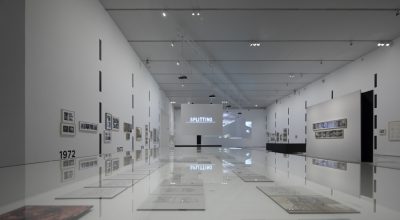
Passing Through Architecture:the 10 Years of Gordon Matta-clark
As the first large-scale exhibition of Matta-Clark’s work in China, «Passing Through Architecture: The 10 Years of Gordon Matta-Clark» traces the remarkable thinking and avant-garde works of this interdisciplinary artist from 1968 to 1978 with more than 400 drawings, photo-works, films and archival documents. It aims to examine Matta-Clark’s relentless exploration of topics like architecture, space, biology and ecology; to question the nature of architecture, the natural environment, and human life beyond the scope of architecture 50 years after the artist’s return to New York, and to rethink the multi-faceted legacy left by modernist urban planning ideas.
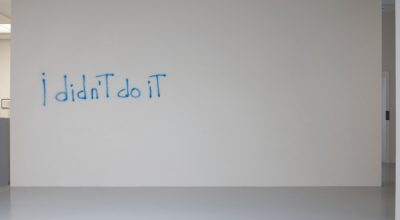
ROBERTO BOLAÑO’S ANTWERP. AN EXHIBITION INSPIRED BY A NOVEL, A CITY AND A SCENE
In «Antwerp», detectives, victims, artists, alter-egos and vagabonds inhabit an enigmatic story. Bolaño thematises contemporary reality expressed through topics such as crime and corruption, sexual violence, relative truth, memory and erasure, marginality and urbanism, the male gaze, and the sea as a metaphor, all of which resonate with the history and reality of Antwerp. It is the structure, themes and character archetypes of Antwerp that M HKA takes its inspiration from as modes of reflection in this exhibition, titled «Amberes» – referring to the book’s title in its original Spanish.
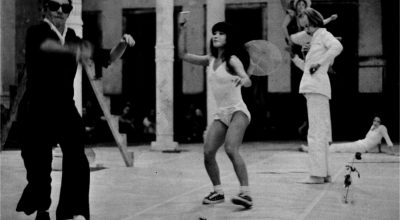
CARMEN BEUCHAT. ¿QUÉ PUEDE UN CUERPO?
Paz López entrevista a Jennifer McColl Crozier, quien junto a un equipo de investigadores de diversas disciplinas ha desarrollado dos grandes trabajos que recuperan la obra transdisciplinaria de la coreógrafa y performer Carmen Beuchat (Santiago de Chile, 1941). Por un lado, el Archivo Carmen Beuchat, disponible online, y por otro, el libro «Cuerpo y Visualidad. Reflexiones en torno al archivo», publicado hace poco por editorial Metales Pesados.
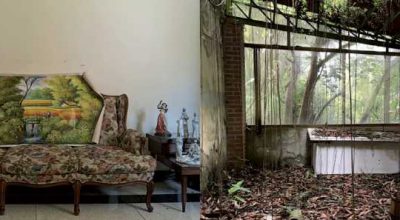
DE LAS PINTURAS DE BUSH AL ROL DE LOS MUSEOS EN LATINOAMÉRICA. UN COMPENDIO DE PUBLICACIONES RECIENTES
Una compilación de publicaciones recientes sobre arte, recomendados por Artishock, entre ellas «Art Museums of Latin America. Structuring Representation», editado por Michele Greet y Gina McDaniel Tarver; «The Word is Art», de Michael Petry, una pequeña historia del arte basado en palabras y libros; y «Learning from Madness», de Kaira M. Cabañas, una serie de casos de estudio que trazan los paralelismos entre obras creadas por pacientes psiquiátricos en Europa occidental y una situación análoga, pero totalmente distinta, en Brasil.
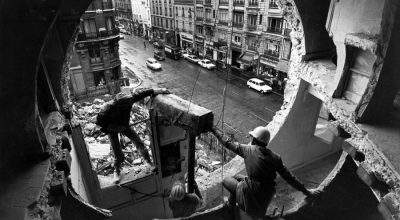
Gordon Matta-Clark: Anarchitect
Hasta el 8 de abril de 2018, el Bronx Museum of the Arts, en Nueva York, presenta «Gordon Matta-Clark: Anarchitect», una exposición que se centra en el importante papel que jugó el condado del Bronx en el desarrollo de su práctica artística. Fue aquí donde Matta-Clark comenzó a emplear el término «anarquitectura» -que combina «anarquía» y «arquitectura»- para describir las obras site-specific que realizó inicialmente en el sur del Bronx.
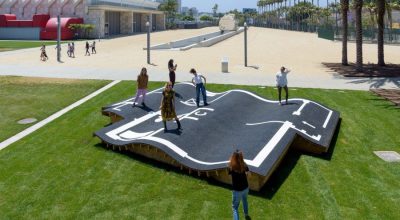
LA NOCIÓN DE HOGAR EN LA OBRA DE 40 ARTISTAS LATINOS Y LATINOAMERICANOS
Los Angeles County Museum of Art (LACMA) presenta «HOME—So Different, So Appealing», la primera gran muestra colectiva en un museo de Los Ángeles en centrarse en el arte latino y latinoamericano creado a partir de los años 50, en la que se abordan temas como la emigración y la represión política, la dislocación y la diáspora, la memoria personal y los ideales utópicos, a través del concepto de “hogar”.
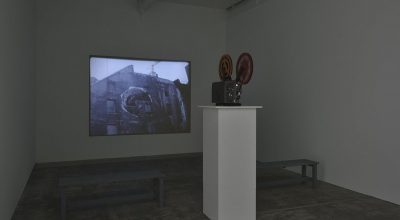
PRIMERA GRAN MUESTRA DE GORDON MATTA-CLARK EN FRANCIA EN MÁS DE 20 AÑOS
Galerie Marian Goodman presenta la primera gran exposición del trabajo de Gordon Matta-Clark en Francia en más de dos décadas. Una selección excepcional de fotografías, collages fotográficos, dibujos y filmes testimonia la diversidad y riqueza de las obras de una leyenda de vanguardia de los años 70.