
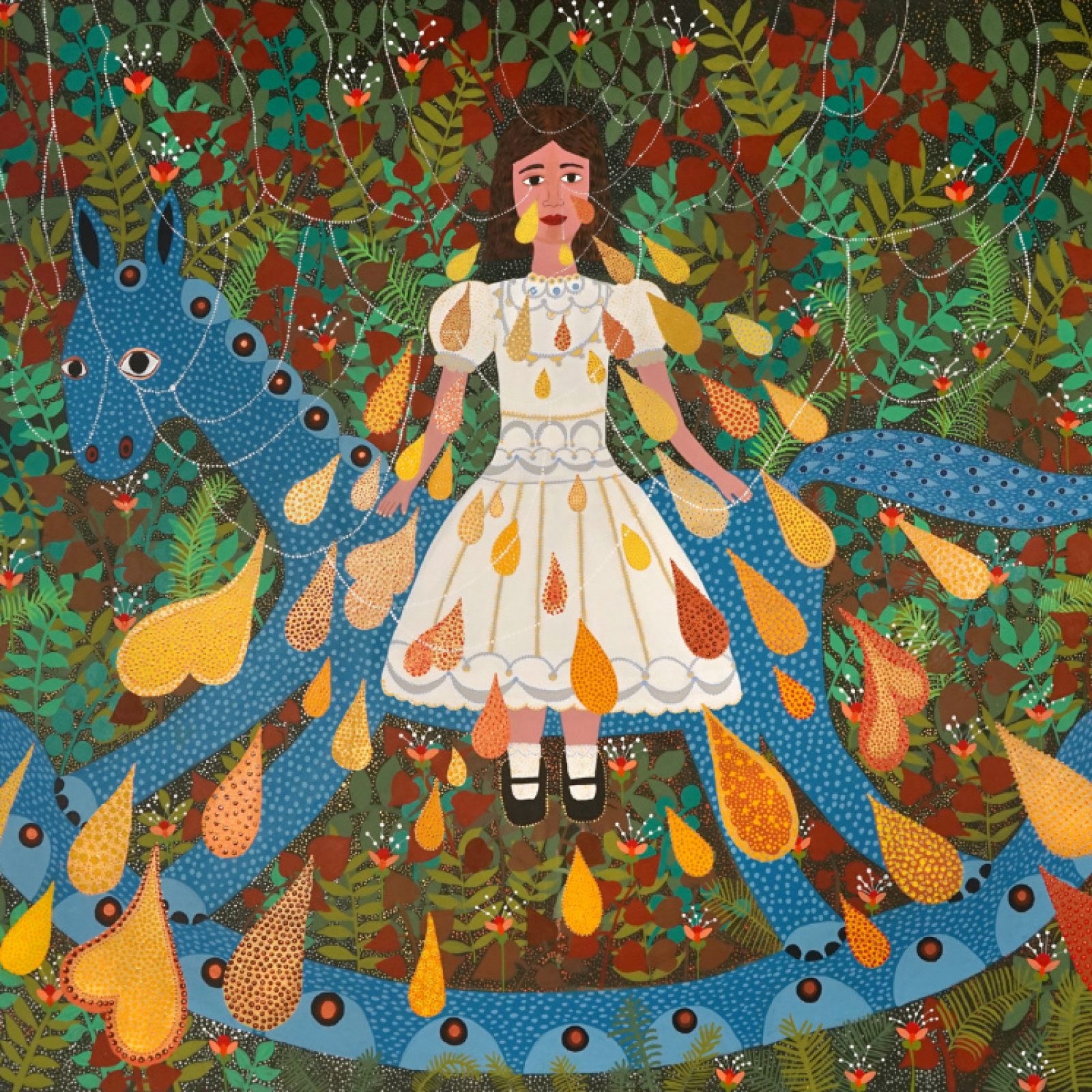
Gerardo Rosales:looking For a Hero or Whips, Whims, And Wigs And Gio Ponti is Just an Excuse
In his recent works, Rosales exposes issues of social inequality experienced by immigrants coming from Latin America in search of a better life in The United States. An immigrant himself, Rosales moved to Houston from his native Venezuela 19 years ago. Rosales’s art appropriates aesthetic genres associated to folk art and geometric abstraction to call attention on issues of class, race and gender, at times with biting humor, while other times with loaded, painful drama.
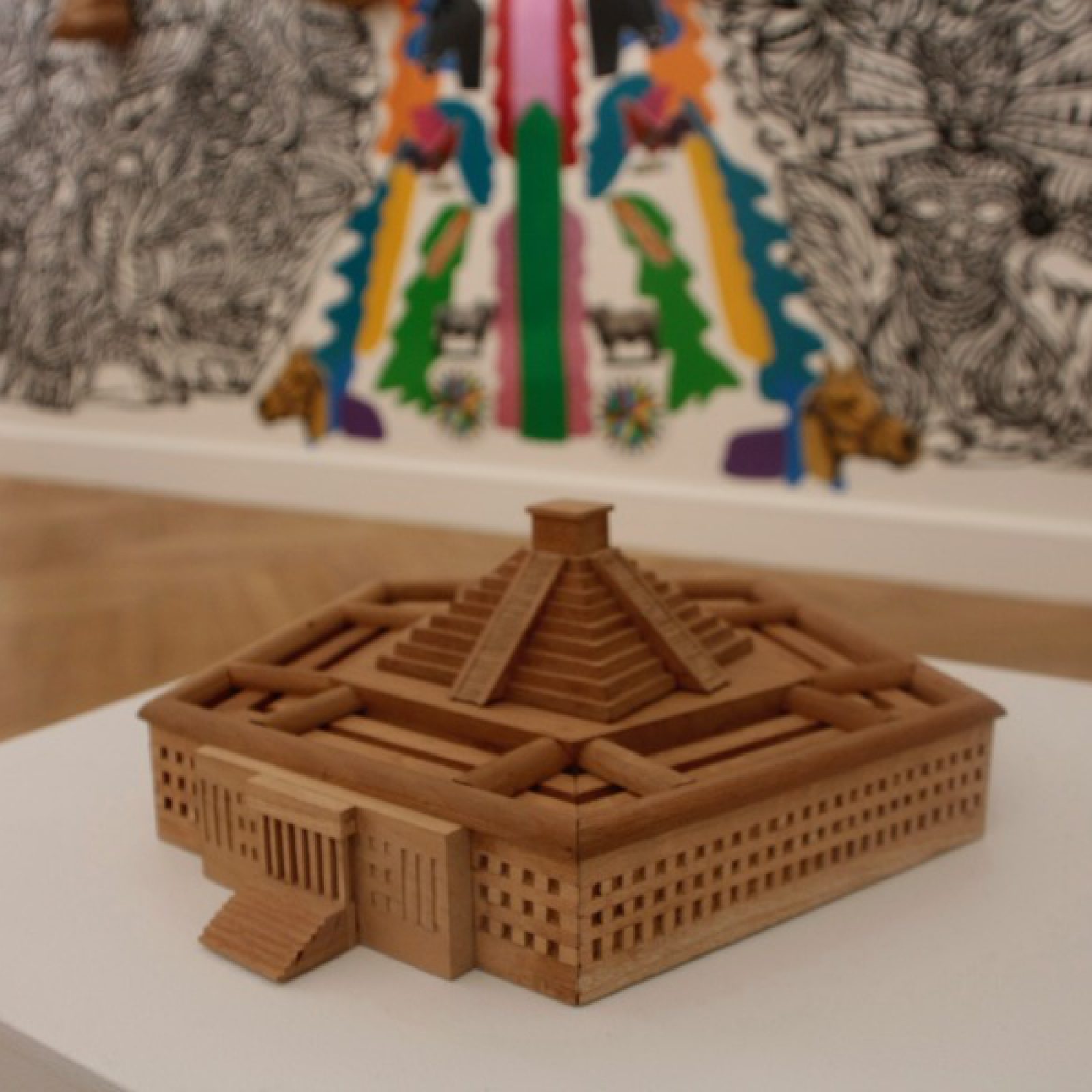
Marlov Barrios:mimesis
Para Marlov Barrios, el artista tiene el deber de expresarse sobre su contexto, sobre el mundo que lo rodea y la sociedad a la que pertenece. Él es su más agudo observador, su crítico más intransigente. Y el mimetismo, una de sus armas más poderosas. Buscar fundirse en un contexto, imitando sus colores y sus códigos, como mecanismo de sobrevivencia: evitar a sus depredadores y cazar a sus presas.
CONVOCATORIA: 9º CONCURSO DE ENSAYOS SOBRE ARTES VISUALES
El 9° Concurso Público de Ensayos sobre Artes Visuales tiene este año por temática «Perspectivas de género en el arte latinoamericano», que busca indagar en las brechas que la historia del arte latinoamericano ha dejado para analizar las prácticas contemporáneas. Las postulaciones podrán ser enviadas hasta el 30 de agosto del 2019.
ANDRÉS PEREIRA PAZ: RADIO CARABUCO
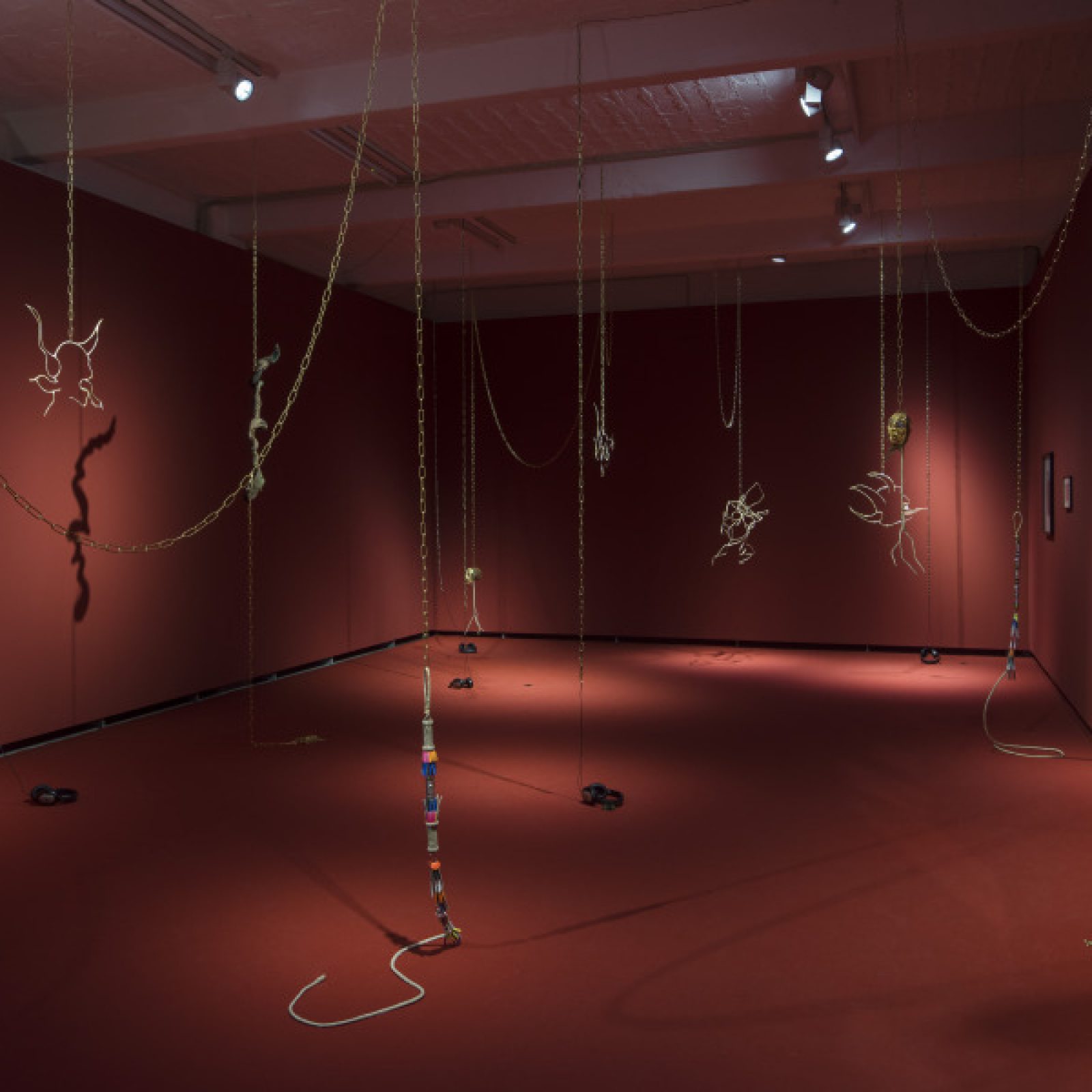
The exhibition project «Radio Carabuco» at Künstlerhaus Bethanien has evolved from the podcast station of the same name created by Bolivian artist Andrés Pereira Paz (b.1986, La Paz). The starting point is the artist’s critical reflections on a vision of hell produced by the painter José López de los Ríos, created in 1664, in the town of Carabuco in Bolivia. This painting, commissioned by the Catholic church, can still be seen in Carabuco’s church on the shores of Lake Titicaca in La Paz.
ANDRÉS PEREIRA PAZ: RADIO CARABUCO
El proyecto expositivo «Radio Carabuco» en Künstlerhaus Bethanien se desarrolló a partir de la estación de podcast del mismo nombre creada por el artista boliviano Andrés Pereira Paz (La Paz, 1986). El punto de partida son las reflexiones críticas del artista sobre una visión del infierno producida por el pintor José López de los Ríos, creada en 1664, en la ciudad de Carabuco, en Bolivia. Esta pintura, encargada por la iglesia católica, todavía se puede ver en la iglesia de Carabuco, a orillas del lago Titicaca en La Paz.
Sheroanawe Hakihiiwe & Luis Romero:venezuelan Pavilion
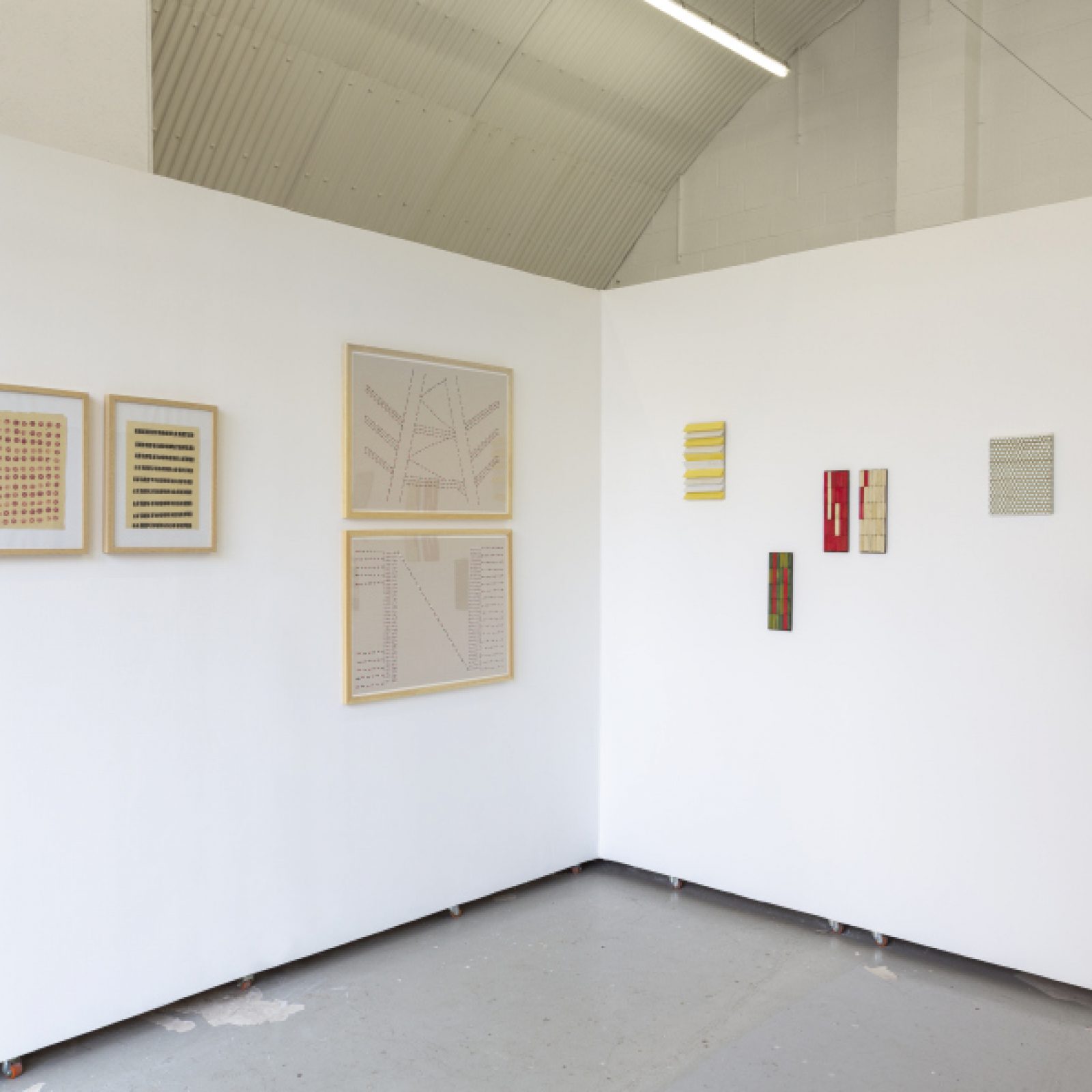
This year, the Venezuelan Pavilion failed to open its doors to the public during the preview days of Venice Biennale amongst the political turmoil that has taken over the country since the beginning of 2019. Unintentionally, the closed pavilion became a powerful metaphor for the devastating effect of twenty years of disastrous cultural policies in the country -not to mention numerous other government policies that have led to the current humanitarian crisis. As a response to this episode, Kupfer invited Venezuelan artists Luis Romero and Sheroanawe Hakihiiwe to stage their own guerrilla pavilion in East London.
_____________en el Pedestal
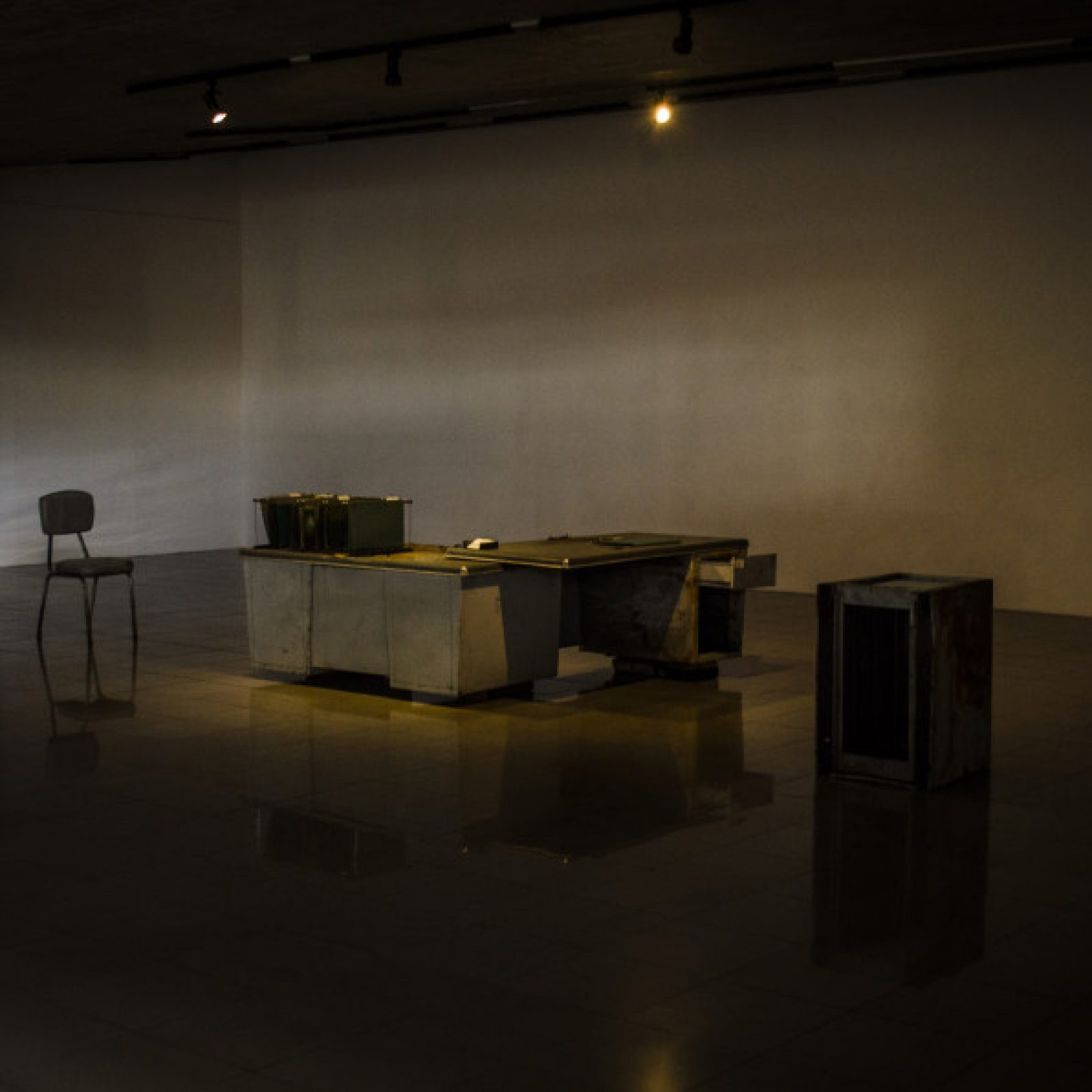
_____________en el Pedestal fue una exhibición colectiva de carácter procesual e investigativo que reunió en el Museo de Arte Moderno Juan Astorga Anta en la ciudad de Mérida, Venezuela, los proyectos de nueve artistas venezolanos en torno al fenómeno de desaparición del estatuario monumental de ese país. Bajo la curaduría de El Bloque, ____________En el Pedestal se planteó como una instalación colectiva a modo de archivo, una conjunción alegórica de diversas interpretaciones en torno al problema del saqueo de la memoria monumental venezolana, que se extrapola a nivel global.
CONVOCATORIA DE RESIDENCIAS DE PRODUCCIÓN ARTÍSTICA EN PROYECTO AMIL (PERÚ)
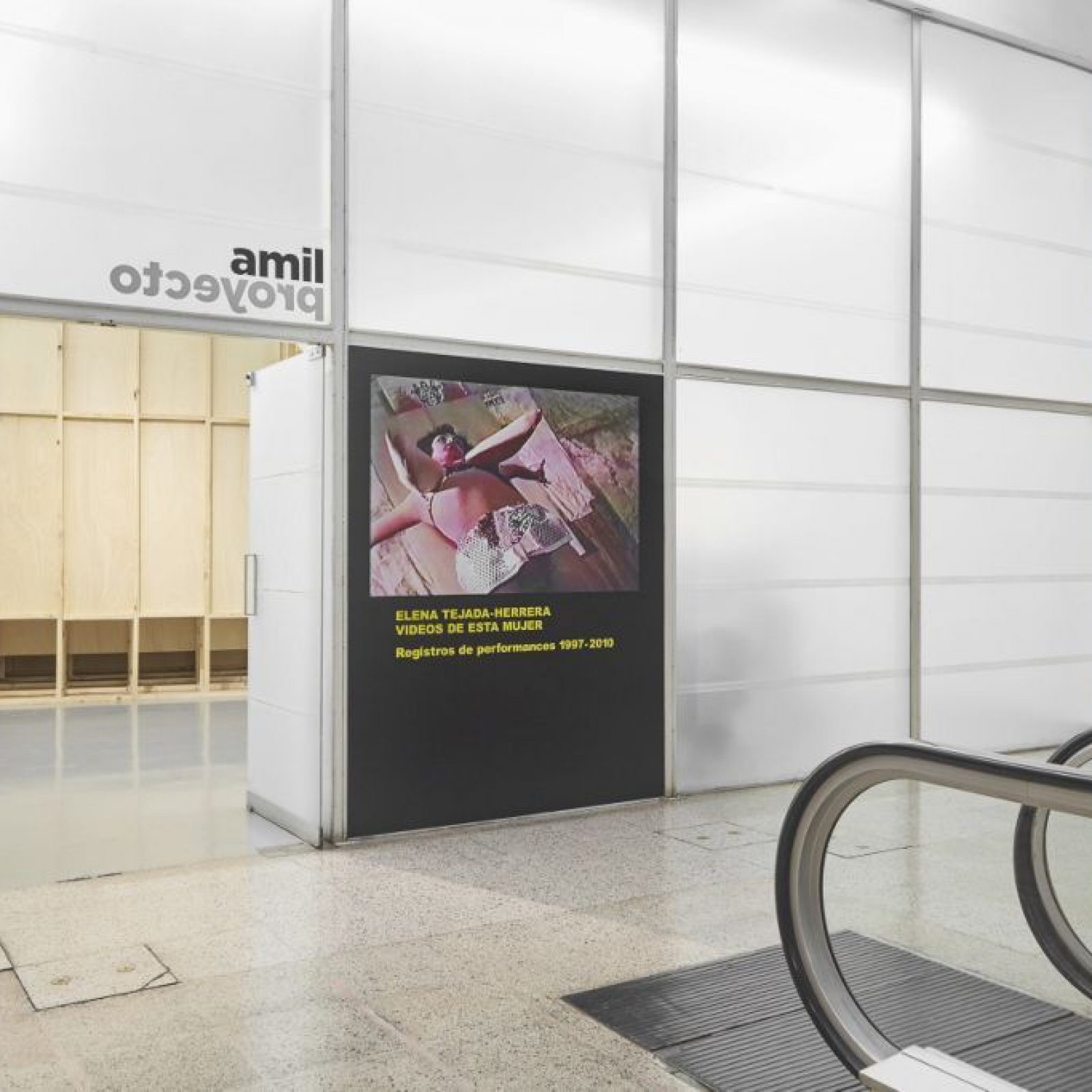
Esta convocatoria está dirigida a artistas plásticos y/o visuales y a creadores multidisciplinares que hayan trabajado y/o investigado previamente las temáticas relacionadas con los estudios post-coloniales. Las fechas de la residencia son del 30 de septiembre al 10 de noviembre de 2019. Fecha límite de inscripción: 7 de julio de 2019, a las 24h hora local española.
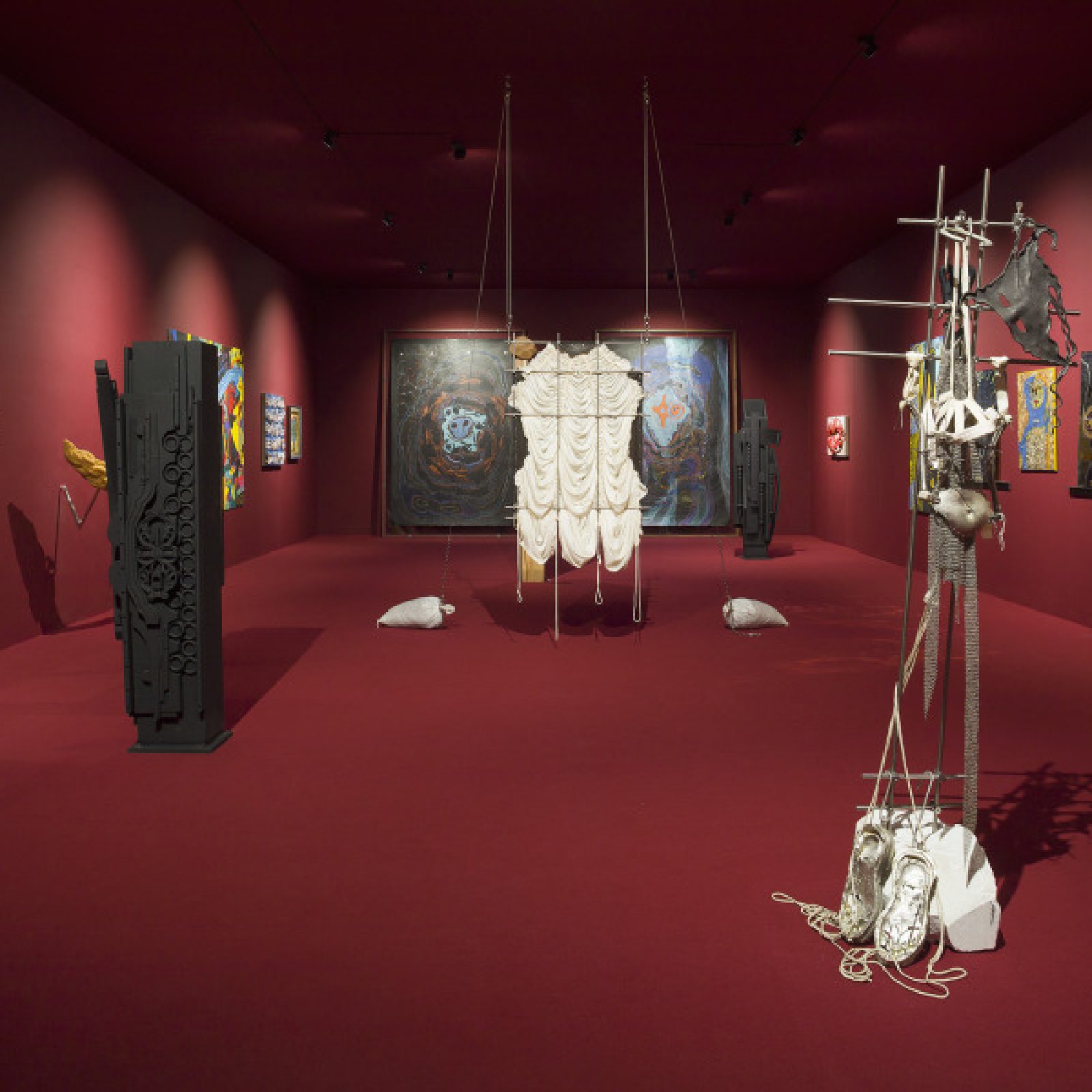
The Magnetic Fields
Curated by Cecilia Alemani, the exhibition focuses on the representation of the body –especially the female body– in order to analyse and contrast different notions of sexuality and self-definition. With its array of fetishes and totems, «The Magnetic Fields» presents a range of fantastical anatomies, in which the body is represented in a constant stream of transformation: dispossessed, dematerialised and recomposed. Installed as a chamber of wonders –or a camera oscura, to mention one of the over twenty important works by Man Ray on display– «The Magnetic Fields» alternates faces and portraits, anthropomorphic objects and bodies without organs, talismans and mutant dummies.
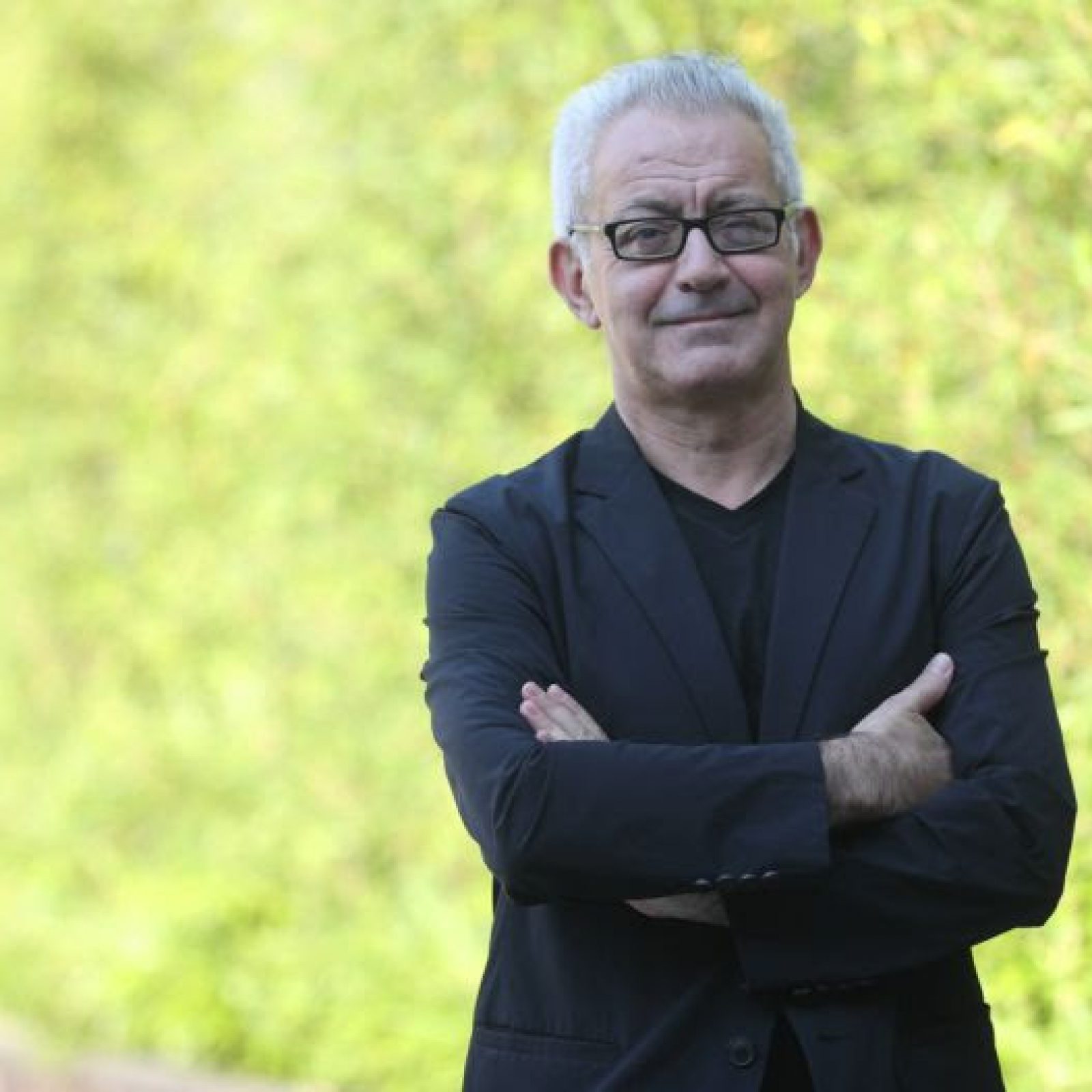
BARTOMEU MARÍ ES NOMBRADO NUEVO DIRECTOR DEL MALI
Bartomeu Marí (Ibiza,1966), Licenciado en Filosofía y Ciencias de la Educación, es un curador reconocido internacionalmente y conocedor de la gestión de instituciones artísticas por más de 30 años. Estuvo a cargo de la dirección del Museo Nacional de Arte Moderno y Contemporáneo (MMCA) de la República de Corea entre 2015 y 2018. Anteriormente se desempeñó como director del Museo de Arte Contemporáneo de Barcelona (MACBA) entre 2008 y 2015, entre otros cargos.