
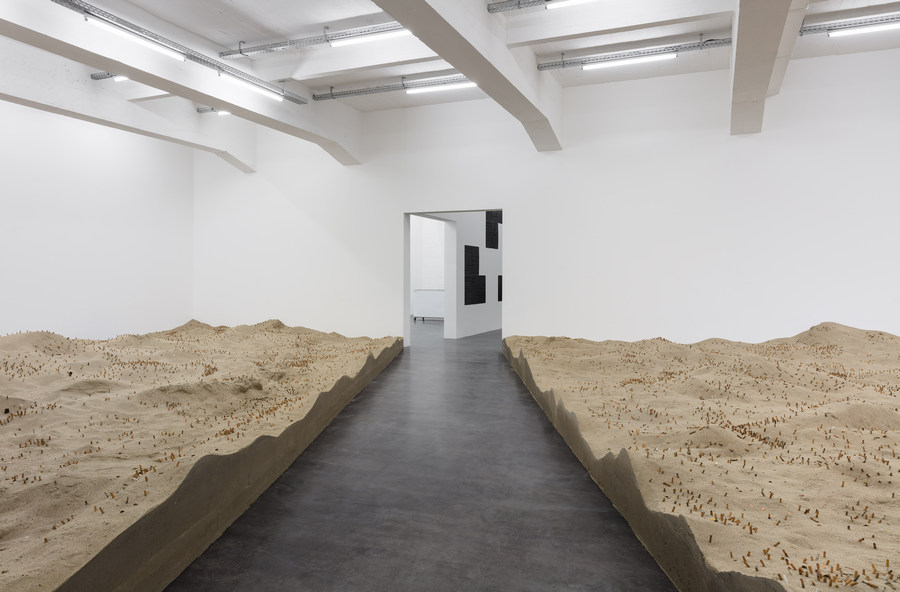
Gabriel Kuri:sorted, Resorted
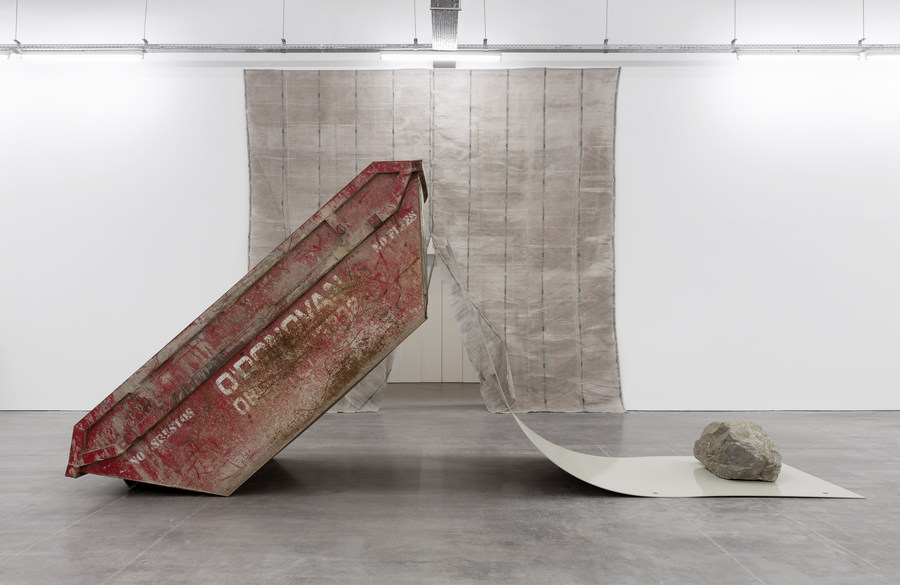
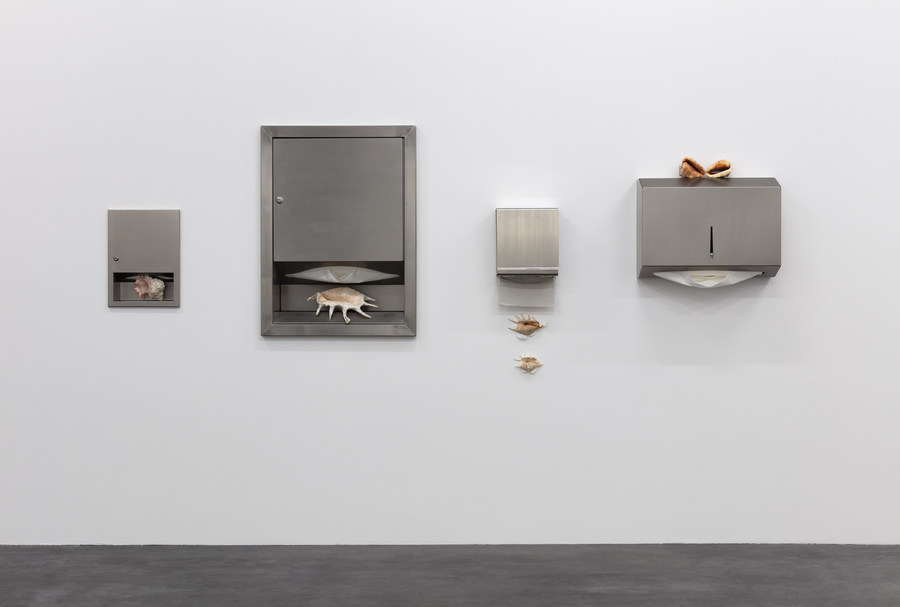
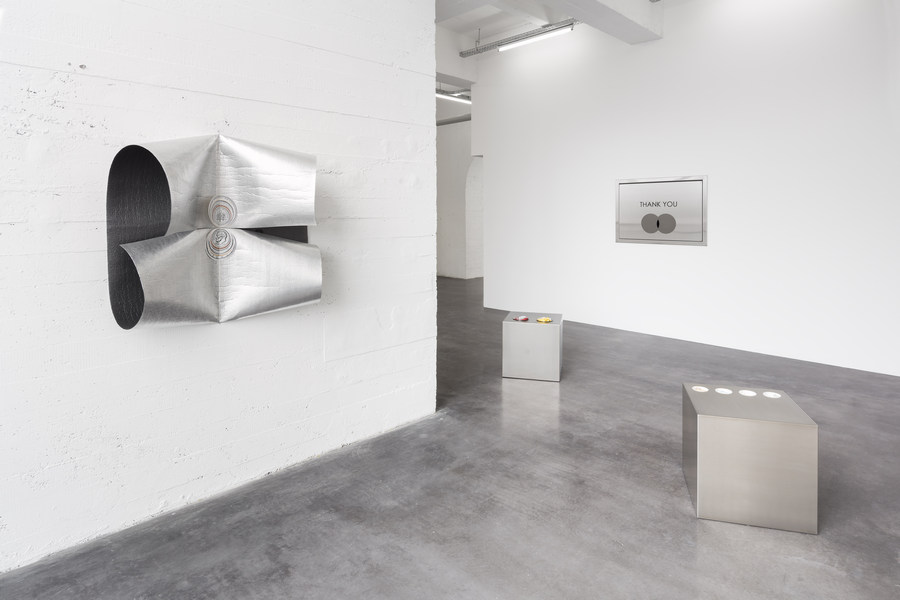
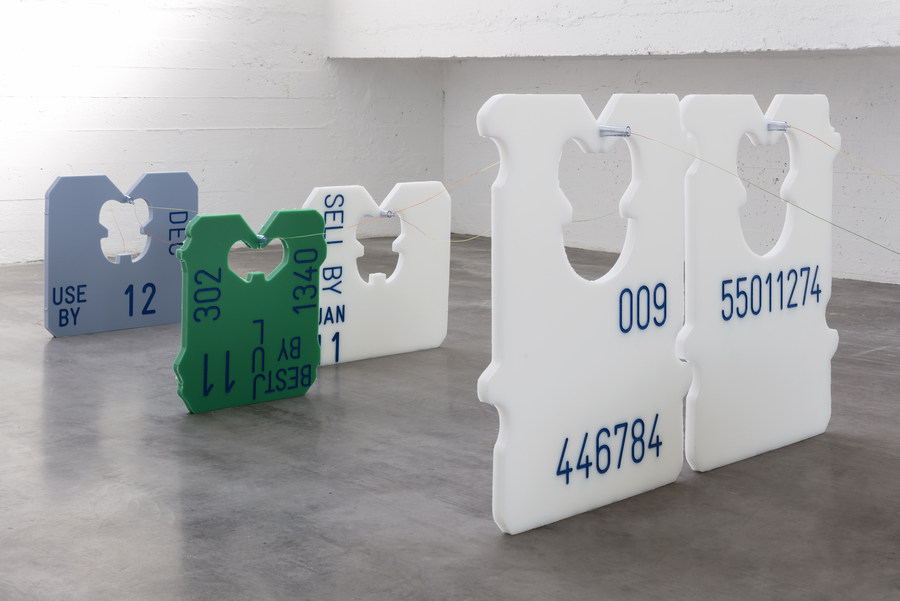
Gabriel Kuri (b. 1970, Mexico City) knows how many beans make five. Working as an undercover economist, he creates sculptures that embody question of value, arresting usually intangible flows of information in witty and engaging forms. His practice is strikingly material and his exhibition at WIELS adopts material as its organizing principle, sorting his works into four categories: paper, plastic, metal, and construction materials. This is an absurdly simplistic approach to complex, conceptually driven works that are rarely made of just one element. It was in part inspired by the way that we sort refuse, colour-coding waste according to its components. Adopting this system – shaped by environmental policy and the desire to establish a circular economy – Kuri asked himself what would happen if he were to categorise his own work following the same logic.
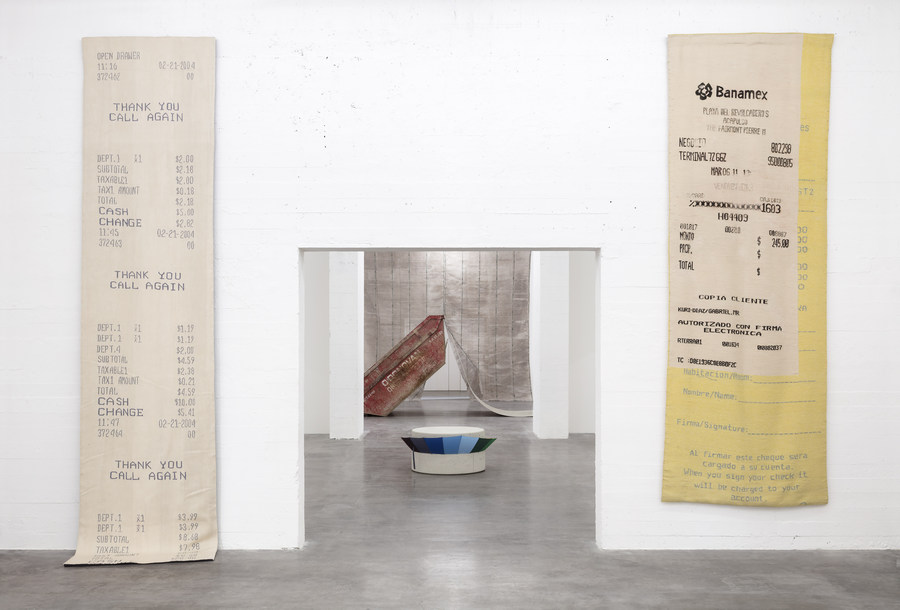
Kuri gathers his resources from a variety of sites before combining them in a manner that draws upon tradition of assemblage with a nod to Surrealist montage, fusing references from his native Mexico with his adopted home, Belgium. His exhibition at WIELS – his first institutional solo show in Brussels, where he has lived for the past 16 years – highlights the hybrid nature of his playful work. It comprises over 60 works, including new pieces produced for the occasion, revealing both the diversity of Kuri’s formal approach and the consistency of his underlying themes: flows of information, notions of commercial and cultural value, consumerism, as well as material and its poetic (mis)use.
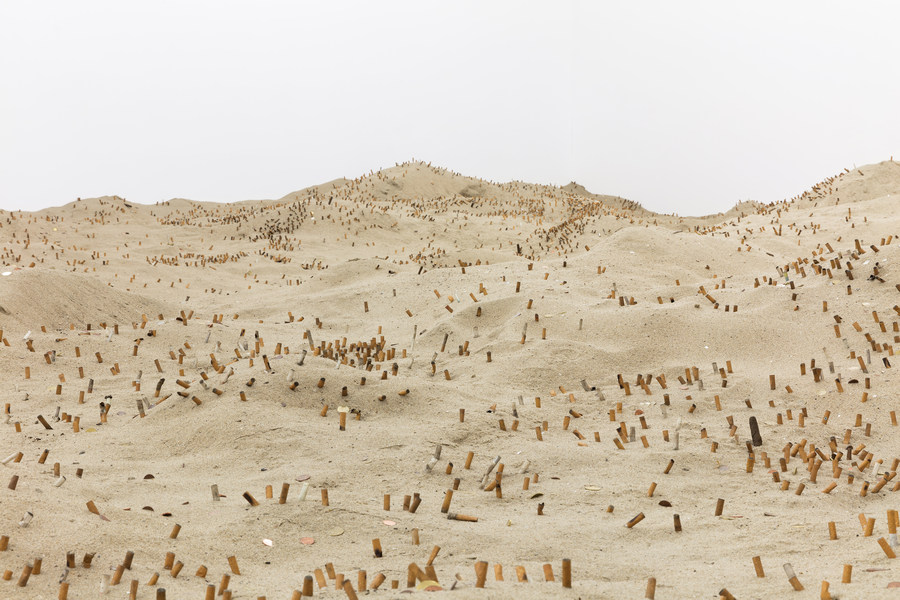
Many of Kuri’s pieces are themselves systems for sorting. The opening section of the show establishes categorization as central to his approach, featuring works that adopt the form of noticeboards or punch-cards, or his waste bins as pie-charts. This is followed by four sections presenting works according to the categories of plastic, paper, metal, and construction materials. Diverse in form and scale, the works are installed to create different rhythms for viewing Kuri’s dynamic sculptural practice.
“I probably live a little bit in denial of the fact that I’m a migrant,” Kuri recently observed. “I’ve lived away from Mexico for quite a long time because I need that distance in order to understand what it is from my country that defines me. But […] I have very strong roots and paradoxically those give me a certain freedom.”10 In so many of his works, sculpture seemingly analogizes the ubiquitous human endeavour to find a place of one’s own and one’s own place – to “fit in.”
While Kuri is, of course, a voluntary migrant – albeit one from a nation whose identity has become colossally overdetermined by the politics of immigration in the United States of America – his art nonetheless pictures the process as a difficult, sometimes crushing experience, especially in the midst of deafening worldwide debates on migration. As these examples suggest, Kuri’s sculptural language has been equally marked by the cities he calls home, and the twin discoveries and discomforts of displacement, whether experienced for a weekend trip or a lifetime.

GABRIEL KURI: SORTED, RESORTED
Curated by: Zoë Gray
WIELS, Contemporary Art Centre, Avenue Van Volxemlaan 354, Brussels – Bruxelles, Belgium
6 September 2019 – 5 January 2020

También te puede interesar
ULRIK LÓPEZ: ENTERRAR LA MONTAÑA
El trabajo de Ulrik López (1989) emplea sistemas y motivos usados por algunos campos que estudian la actividad humana a través lo material y la producción cultural, tales como la arqueología y la antropología,...
CARLOS AMORALES: RAPSODIAS
En su primera exposición en Honduras, Carlos Amorales despliega una constelación de obras que cruzan el sonido, la imagen y el lenguaje, hiladas por el concepto de “rapsodia”. A través de instalaciones, cortos y...
OMAR BARQUET: OSCILACIONES
La recién inaugurada Galería Adentro, en Guadalajara, México, presenta “Oscilaciones”, de Omar Barquet, bajo la curaduría de Christian Barragán y Juvenal Urzúa. La exposición reúne una selección representativa de las distintas series que el...