

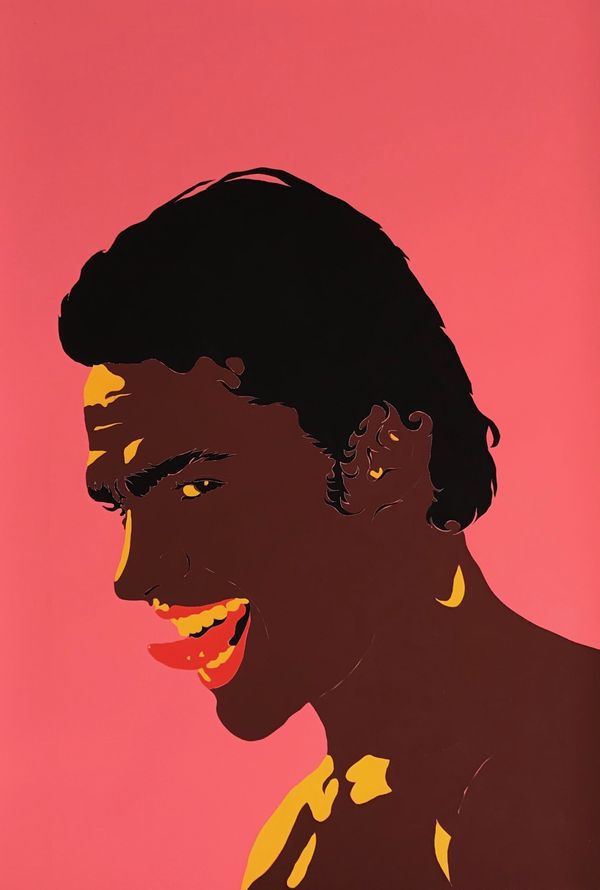
AGAINST «SEX AND THE CITY»: FÉLIX GONZÁLEZ-TORRES, BORIS TORRES, CARLOS MOTTA AND RAÚL DE NIEVES AGAINST THE MYTH OF NEW YORK
It is worth resisting the temptation of easy judgment—of seeing the “North” merely as a space of exploitation. It would be reductive to claim that these four artists made their work in spite of New York, as if the city were only an obstacle. Could they have made it elsewhere? Is there sufficient infrastructure in Havana, Quito, Bogotá, or Michoacán to provoke and sustain works like theirs? Do the museums, grants, galleries, nocturnal communities, archives, schools, and markets necessary to open these dialogues exist there?
EN CONTRA DE “SEX AND THE CITY”: FÉLIX GONZÁLEZ-TORRES, BORIS TORRES, CARLOS MOTTA Y RAÚL DE NIEVES FRENTE AL MITO DE NUEVA YORK
En las obras de estos artistas, Latinoamérica nunca desaparece: reaparece como memoria, materialidad y conflicto, en diálogo constante con la experiencia migrante. González-Torres, Motta, Torres y De Nieves construyen así una genealogía queer latina que transforma a Nueva York al mismo tiempo que es absorbida por sus instituciones culturales, abriendo preguntas incómodas sobre pertenencia, apropiación y dependencia mutua entre la ciudad y los artistas que la redefinen.

GEORGE FEBRES: TRANSLATION, IRONY, AND LIBERATION. AN ECUADORIAN ARTIST IN THE DIASPORA
The life and work of George Febres (Guayaquil, 1943 – New Orleans, 1996) occupy an uneasy place in the history of Ecuadorian art. An artist like him is an anomaly within the local narrative. His work, clearly influenced by Pop Art, Neo-Surrealism, and the culture of the US South, marks a profound rupture with the experience of national art, which has been shaped by the political discourse of indigenism and class struggle.
GEORGE FEBRES: TRADUCCIÓN, IRONÍA Y LIBERACIÓN. UN ARTISTA ECUATORIANO EN LA DIÁSPORA
La vida y obra de George Febres (Guayaquil, 1943 – Nueva Orleans, 1996) ocupan un lugar incómodo en la historia del arte ecuatoriano. Un artista como él es una anomalía dentro del relato local. Su obra, con clara influencia del arte pop, el neosurrealismo y la cultura del sur estadounidense, marca una honda separación con la experiencia del arte nacional, atravesado por el discurso político del indigenismo y lucha de clases.